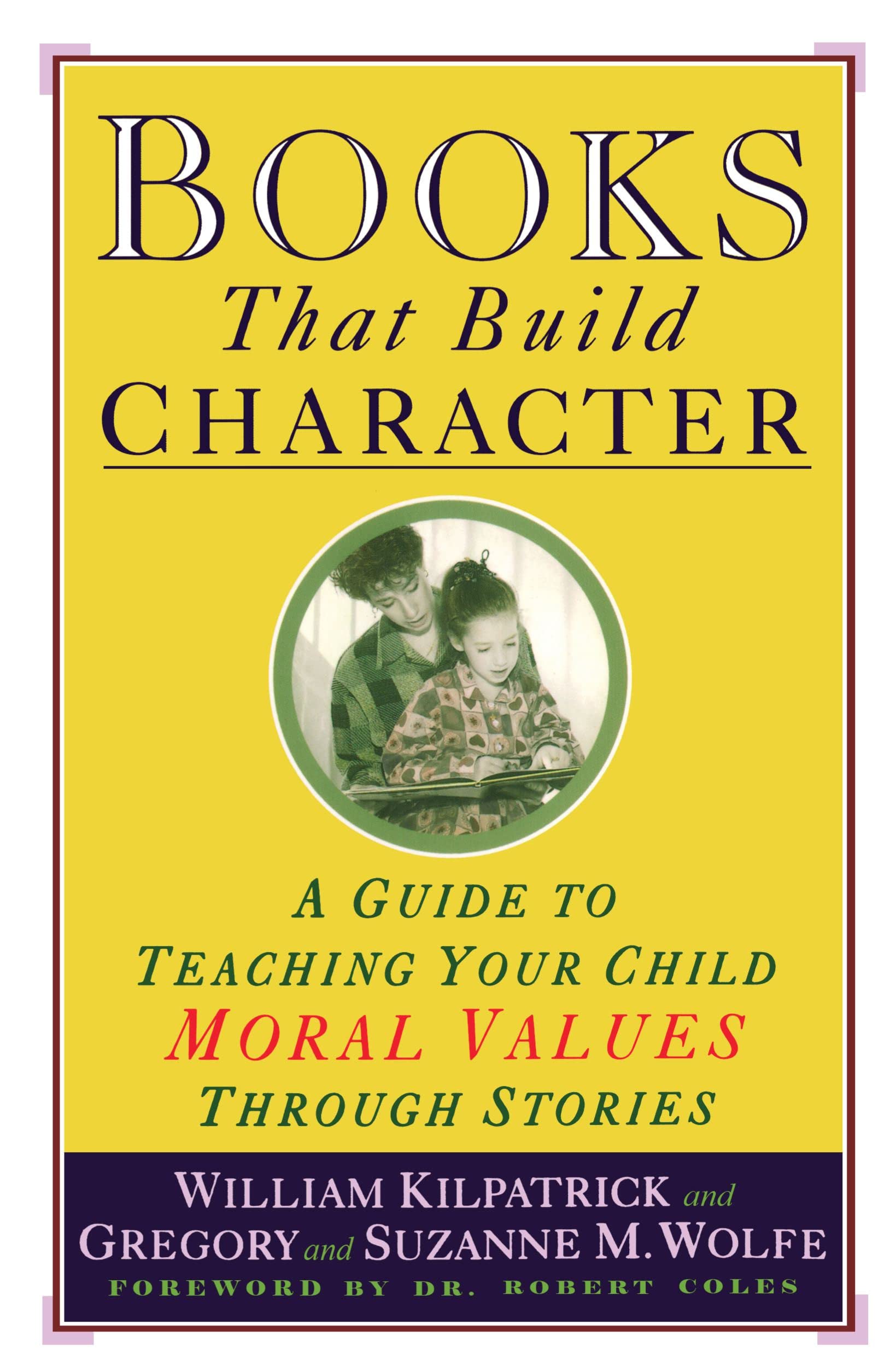
Here is a family guide to classic novels, contemporary fiction, myths and legends, science fiction and fantasy, folktales, Bible stories, picture books, biographies, holiday stories, and many other books that celebrate virtues and values. There are more than 300 titles to choose from, each featuring a dramatic story and memorable characters who explore moral ground and the difference between what is right and what is wrong. These books will capture your child's imagination, and conscience as well-whether it is Beauty pondering her promise to Beast, mischievous Max in Where the Wild Things Are , the troubled boys of Lord of the Flies , generous Mr. Badger in The Wind in the Willows , or the courageous struggles of such real-life characters as Frederick Douglass and Anne Frank. With entries arranged by category and reading level, there is something here for all readers-from preschoolers to teenagers-whatever their tastes may be. Each entry features a complete plot summary and publisher information so that you can find the book with ease in your local library or bookstore. It's not always easy to teach a child the difference between right and wrong, but stories-whether they are based on fantasy or rooted in real life-can speak to children more eloquently than any list of dos or don'ts and can impart moral values as they nurture a child's imagination. Here is a family guide to classic novels, contemporary fiction, myths and legends, science fiction and fantasy, folktales, Bible stories, picture books, biographies, holiday stories, and many other books that celebrate virtues and values. There are more than 300 titles to choose from, each featuring a dramatic story and memorable characters who explore moral ground and the difference between what is right and what is wrong. These books will capture your child's imagination, and conscience as well-whether it is Beauty pondering her promise to Beast, mischievous Max in Where the Wild Things Are , the troubled boys of Lord of the Flies , generous Mr. Badger in The Wind in the Willows , or the courageous struggles of such real-life characters as Frederick Douglass and Anne Frank. With entries arranged by category and reading level, there is something here for all readers-from preschoolers to teenagers-whatever their tastes may be. Each entry features a complete plot summary and publisher information so that you can find the book with ease in your local library or bookstore. It's not always easy to teach a child the difference between right and wrong, but stories-whether they are based on fantasy or rooted in real life-can speak to children more eloquently than any list of dos or don'ts and can impart moral values as they nurture a child's imagination. William Kilpatrick taught education at Boston College, is the author of multiple books, including Why Johnny Can't Tell Right from Wrong , and is a frequent lecturer to university and parent audiences. Books That Build Character A Guide to Teaching Your Child Moral Values Through Stories By William Kilpatrick Touchstone Copyright © 1994 William Kilpatrick All right reserved. ISBN: 0671884239 Reading to Children Just as a child learns from real experiences, he can also learn from vicarious ones-and far more safely. Through books he can experience revelations that might not come to him until much later in the normal course of events: revelations of fear, of failure, of love, of understanding. What's more, reading provides a sort of mental rehearsal for the time when he encounters these experiences firsthand. Here are some practical suggestions for sharing books with children: Try to set aside some time each day for storytelling. Recommended reading levels are only a rough guide. Parents need to develop a feel for what will work with their own children. Since there are so many good books available there's no reason to try to force a particular book on a child. This is doubly true for classics. They can be introduced too early or in the wrong way, spoiling a child's taste for them later on. Beverly Cleary, author of the Ramona series, relates, "When I was a child, a relative gave me Ivanhoe to grow into. I was so disappointed that I still have not grown into it." Keep in mind that children can understand and enjoy listening to stories that are above their actual reading level. For very small children the main thing is to hear stories that are rhythmic and repetitive. It's the sound of the language that counts most at this stage. Be aware that myths, fairy tales, and folktales come in many versions-versions that range from the sublime to the abysmal. For example, you wouldn't think that "Rumpelstiltskin" could be rolled out flat as a pancake, but it has been done. Another factor in choosing a version of a book is the quality of the illustrations. While illustrations are not all important, they do make a difference; look fo editions with illustrations that do justice to the text rathe