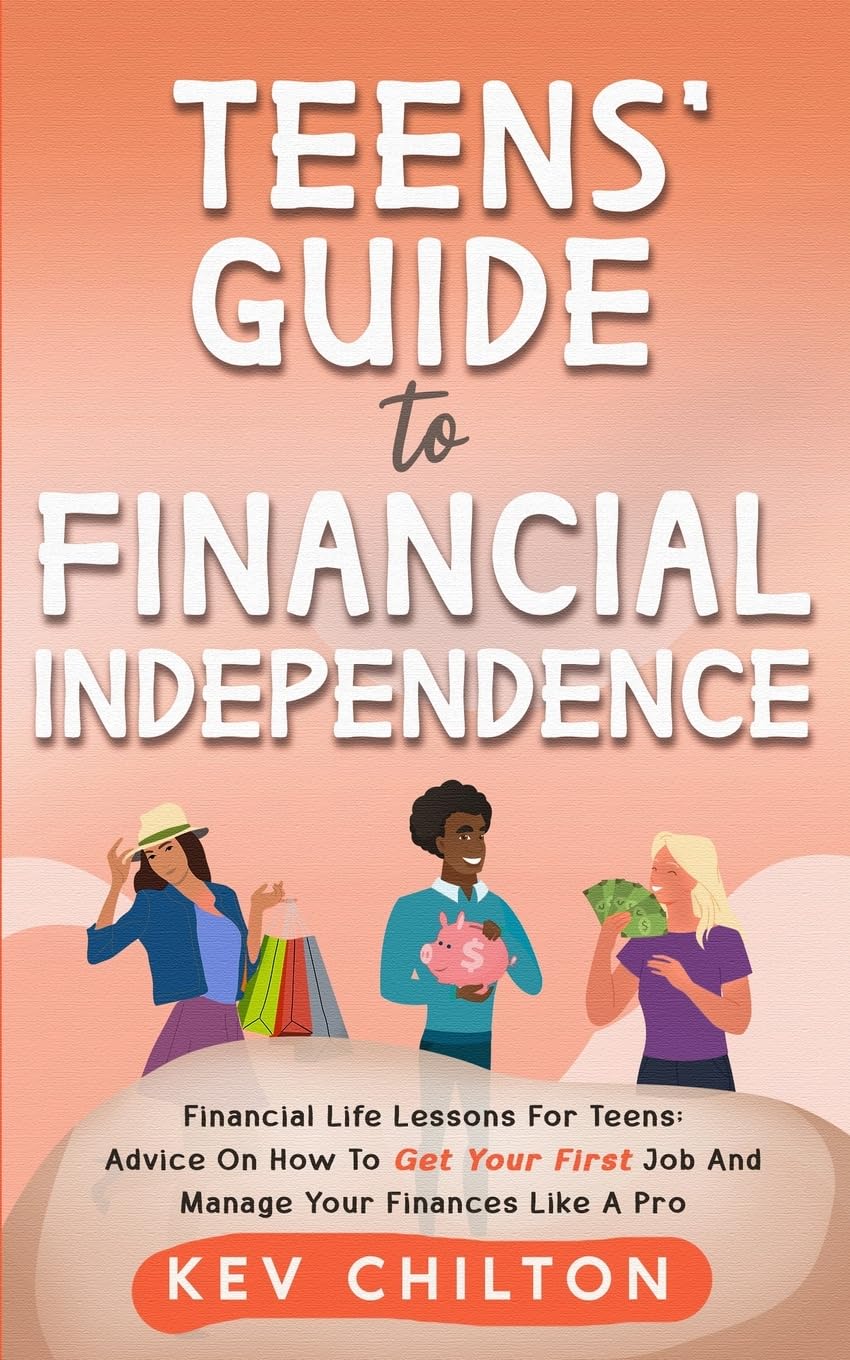
Getting your first job — and knowing what to do with the money afterwards — are two different skills. Most people are told to “just get a job” — but not what happens next. Most teens are told to “just get a job” — but nobody explains how to apply properly, what employers actually look for, or how to avoid common money mistakes once you start earning. This book walks through the process step-by-step: applications, interviews, budgeting, saving and credit. Part 1 – Step Into the World of Work → Getting Your First Job Discover which jobs are right for you (and how to actually get them). - Write a standout CV and impress at interviews. - Learn the workplace etiquette adults wish they’d known sooner. Part 2 – Master Your Money → Handling Your Money Once You Earn It Budget like a pro (without giving up all the fun stuff). - Spot scams and avoid expensive mistakes. - Save, invest, and plan ahead — including the truth about credit cards . Whether you’re a teen ready to earn your first pay or a parent looking to give your teenager the best start, this book is your step-by-step guide to confidence, independence, and financial freedom. Inside you’ll also learn how to: Balance work, school, and your social life. - Handle adult expenses (yes, even uni costs). - Build habits now that will protect your future wealth. Packed with simple, practical advice , Teens’ Guide to Financial Independence will help you say goodbye to money stress and hello to a future you control. By the end, you’ll understand not just how to earn money — but how to keep it working for you. Having a stark choice of fighting teens on the city streets or helping them find their way in life, Kev Chilton knew which way he wanted to go!For most of his working life, he was an inner-city cop and detective, concentrating on murder, gun crime, and other serious offences.However, he joined the police as a 16-year-old cadet and early in his career, he was tasked with helping young offenders, which quickly became his speciality. He noticed that by simply listening to the problems young people were concerned with, the majority were prepared to listen to him back. He built trusting relationships with most, who were happy to listen to and act on his advice. Many responded positively, and they moved confidently into adulthood.Throughout his police service, he arranged youth clubs, attended schools where he gave talks and maintained an open-door policy, encouraging any young person with a problem to approach him privately afterwards. He also set up and operated specialist juvenile squads geared towards helping those who had gone off the rails. The results were excellent, and he was never happier in his job than when he could redirect a young person's life onto the right path.It was a fulfilling time in his life, and it helped him understand the constantly evolving challenges teenagers face as they transition to adulthood. More specifically, as times change, so do the needs and circumstances of young people. Choosing the path of mentorship over the chaos of city streets, he has dedicated his journey to helping teenagers, steering them away from conflict and towards a brighter future.Today, he is proud to utilise his extensive experience to make a positive impact. He is particularly attuned to the unique issues that young people are currently grappling with, and one of his main goals is to bridge the gap between them and the adults in their lives.Through this series of his guidebooks for teens, Chilton has become an international, award-winning author, and a beacon of support for teenagers and the adults regularly involved with teens.Today he lives in a converted barn in the beautiful East Kent countryside where family, walking and writing are a big part of his life, and can be reached at: https: //kevchilton.com