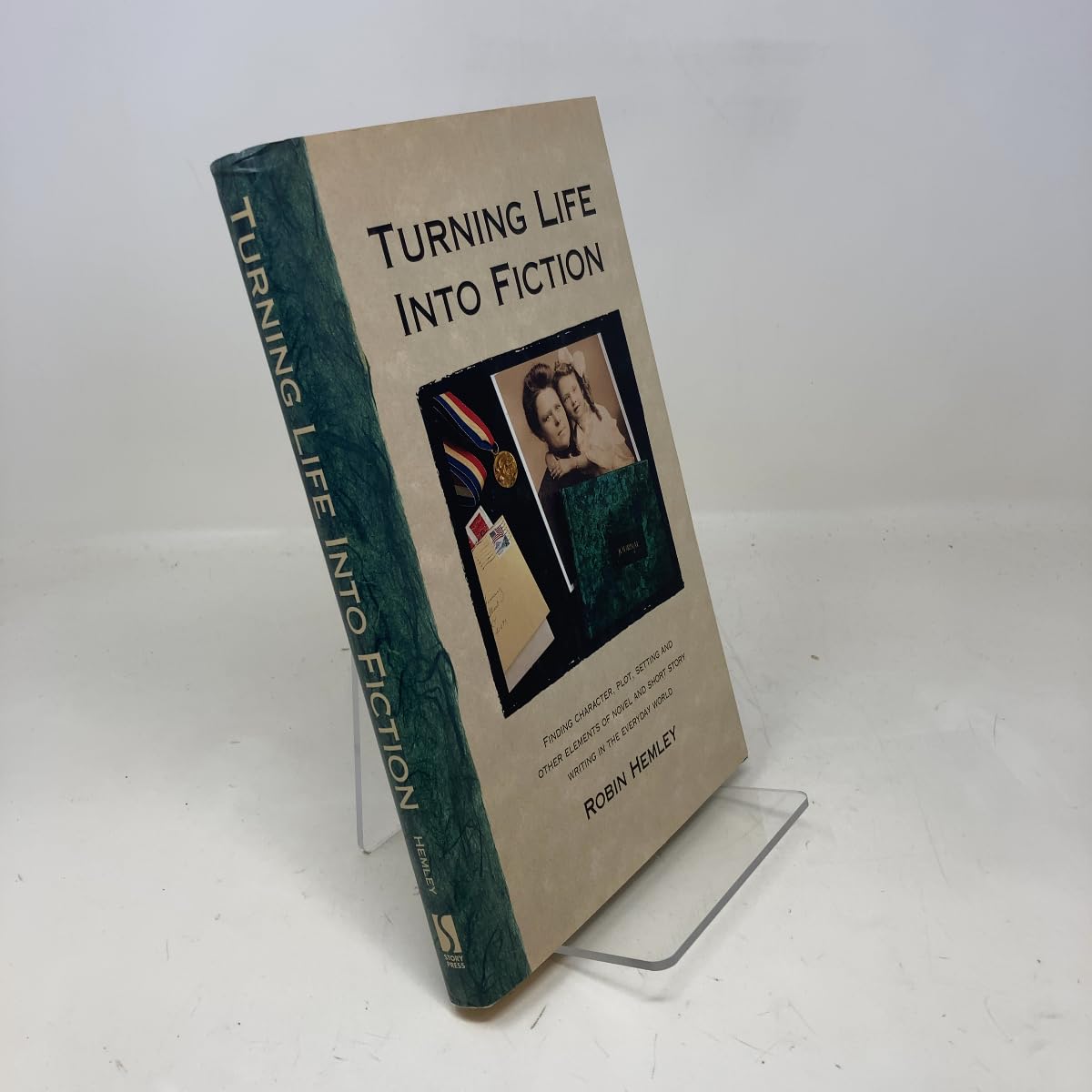
With lively style, good humor and insight, Robin Hemley helps you turn all that you experience into fresh and powerful fiction. By learning to "reimagine," you'll focus on translating real-world people and events into characters and scenes that happen on paper for the first time. You'll think "what if" instead of "what is" in order to take control of your material and cut loose the inhibitions of real life. In these pages, you'll learn how to hone your observation skills and fill your journal with rich and vivid details. (Because, as Hemley writes, "Life is in the details, and so is good fiction.") You'll see how to decide which ideas to bring to fiction and which ones to let go. And you'll learn how to: find the right form - novel, short story, vignette, memoir - for the story you want to tell; use "triggers" to start your reader's imagination rolling; keep your fiction emotionally honest by making the right choices between "the way it happened" and what the story dictates (ask "Is it believable?", not "Did it happen?"); create composites of real people and places that fit the unique needs of your story and empower your imagination; focus your fiction. Make sure everything, every character counts - and eliminate "people who sit at the end of the bar without a role to play"; fictionalize - ethically and legally - other people's stories. Learn your rights as a writer versus their rights to privacy. (Can you use actual names? When do you need to get permission?) To illustrate how writers feed their fiction with reality, Hemley uses examples from his own work and from fiction masters of yesterday and today. At the end of each chapter, challenging exercises help you apply the basic theories and push them even further. An adventurous read, Turning Life Into Fiction will help you create fiction that's just as strange and wonderful and "real" as the life that inspires it. Neither simplistic nor condescending but at the same time definitely for the beginning writer, this is an enlightening and even inspiring guide to utilizing elements of one's own life and of one's family history as fodder for writing novels and short stories. Hemley makes initial distinctions between autobiographical fiction and sheer autobiography, reminding the new writer of autobiographical fiction that "the trick, of course, comes in molding the factual material to the specifications of one's fictional world." Journal keeping is heavily encouraged; and the actual processes whereby truth--real people, real places, and real events--can be rendered into fiction are laid out in easy-to-follow terms. A unique book for all public library collections of how-to-write books. Brad Hooper Life is packed with ideas for good stories: but how do experiences translate into solid plots? This is a fun, intriguing examination of how fiction is created, considering elements of style, honesty, and how all blend into novel and short story writing attempts. -- Midwest Book Review Robin Hemley teaches creative writing at Western Washington University in Bellingham. Used Book in Good Condition