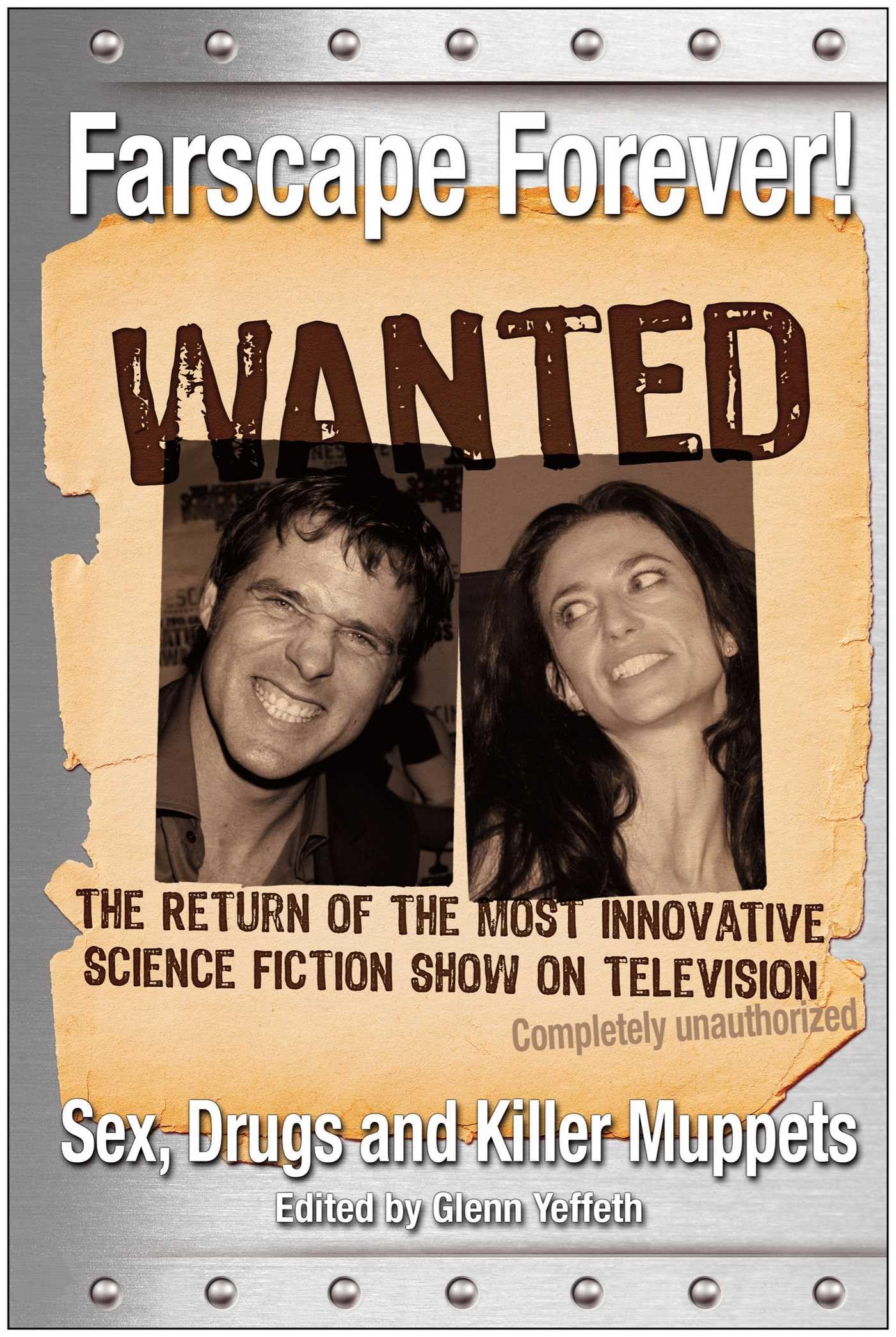
Science fiction and fantasy authors analyze every aspect of the innovative, action-packed, and always surprising science fiction television series Farscape in this innovative and irreverent essay collection. Contributors include Martha Wells on characters Crichton and D'Argo's buddy relationship, P. N. Elrod on the villains she loves to hate, and Justina Robson on sex, pleasure, and feminism. Topics range from a look at how Moya was designed and an examination of vulgarity and bodily functions to a tourist's budget guide to the Farscape universe and an expert's advice to the peacekeepers who, despite their viciousness, never quite seem to pull it off. Fun, accessible, entertaining, and insightful, these musings will appeal to every admirer of this intriguing television series. Glenn Yeffeth is the editor of several anthologies in the Smart Pop series, including Anthology at the End of the Universe, Farscape Forever!, Five Seasons of Angel, Navigating the Golden Compass, Seven Seasons of Buffy, Taking the Red Pill, and What Would Sipowitz Do? Farscape Forever! Sex, Drugs and Killer Muppets By Glenn Yeffeth BenBella Books, Inc. Copyright © 2019 Benbella Books, Inc. All rights reserved. ISBN: 978-1-932100-61-7 Contents FRELLING FANTASTIC Justina Robson, THEATER OF FACES Michael Marano, DOWN THE WORMHOLE Jeanne Cavelos, PUPPETS, SENTIENT BLUE VEGETABLES, BODY FLUIDS AND LOVE Doranna Durgin, FLATULENCE, FOOD AND FORNICATION Rick Klaw, LOOKING OUT FOR NUMBER ONE Patricia Bray, CRACKERS DON'T MATTER Jim Butcher, DON'T MAKE ME TONGUE YOU Martha Wells, DEAR JOHN Tee Morris, THE BIG BROTHER Amy Berner, A HITCHHIKING PILOT Jean Rabe, THE FALL AND RISE OF RYGEL XVI Bill Spangler, ZHAAN: PLANT, PRIEST, ARCHETYPE Josepha Sherman, MY IMAGINARY FRIEND Jody Lynn Nye, UNIVERSE ON A BUDGET Roxanne Longstreet Conrad, STARSHIPS DON'T JUST HAPPEN Thomas Easton, JOURNEY TO THE FEMININE Kelley Walters, REALIZED UNREALITIES K. Stoddard Hayes, FARSCAPE VILLAINS I'VE KNOWN AND LOVED P. N. Elrod, SUPERIOR VILLAINY Charlene Brusso, MASKS OF TRANSFORMATION Kevin Andrew Murphy, CHAPTER 1 FRELLING FANTASTIC FARSCAPE , THE SHOW THAT BROUGHT BACK THE PLEASURE PRINCIPLE JUSTINA ROBSON Farscape is different. Every fan comes to that shock of realization at some point: "My God, they really are going to do that!" For me, I think, it was when Crichton was split in two, one of him going off with Aeryn and one staying on Moya. No merging of the two, no convenient death of one (at least not until much later, when it meant something ). Farscape was not afraid to make its viewers uncomfortable; it was brilliantly, unrelentingly adult, despite the muppets. And the sex.... Farscape was adult about that as well. The brilliant Justina Robson talks about all this and more. IN MY ORIGINAL PLAN for this essay I thought I'd write about the way that Farscape dealt with sex and humor, and how these things set it apart from other sf TV shows of recent times. I was going to say that it had reclaimed pleasure for the lives of the characters, and showed that it was possible to have fun, enjoy yourself, make a hash of your life and still take part in week-by-week sf drama. By contrast, the people in other shows, from Star Trek to Babylon 5, were leading lives focused almost entirely on Issues of Immediate Action or scientific and political shenanigans, which filled up story lines on their own and left no room for any kind of normal human interaction. But then I began to think about space opera per se, and realized that Farscape was only following a long tradition of the riotous assemblage offered by horse operas, soap operas and sitcoms. It wasn't the subject matter that was different; it was the style of the show that allowed this stuff to emerge. That rather put a spanner in the works of my first plan, since I'd been about to attribute the best bits to Rockne S. O'Bannon and Brian Henson doing their part to drag screen sf into the heady zeitgeist of the early 1990s. But heck, I'll say that here, and then go on with Plan B. In Plan B here, I'm going to angle this essay in my new direction, and say that it's the type of show, rather than any agenda or great forethought, that permitted this happy union of character, setting, sf cliché and ironic awareness to flourish and madly prosper. After that I'll mention something about why it seems to me that the pleasure principle was and is missing from a lot of sf, both on and off the small screen, and why it's important that Farscape brought it back. I probably won't be able to omit talking about those season three and four costume shifts (black leather, anyone?) and erotic stereotyping. This will no doubt lead to some mention of Orientalism, and sf as the genre of The Other. Finally, there will most likely be a concluding paragraph which will say something like Hooray for Farscape ! There are a lot of other subjects and features of Farscape to tal