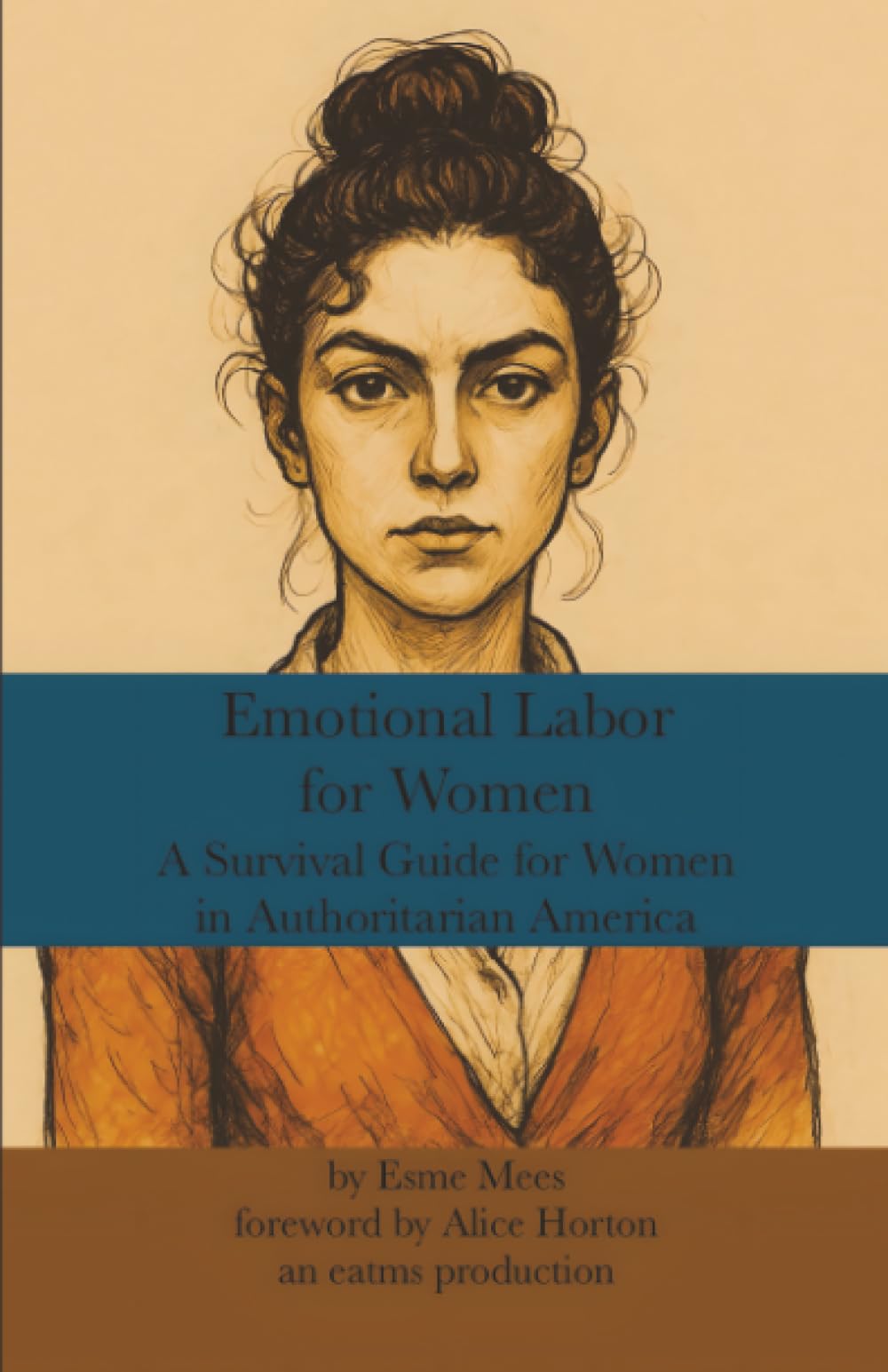
Emotional Labor for Women is a practical structural guide to how emotional regulation actually works inside relationships, workplaces, and institutions, and why so many women feel tired, overresponsible, and quietly controlled even when they are praised for being kind, calm, or good with people. The book explains that emotional labor is not just a personality trait or communication style. It functions as an informal system requirement, one that keeps environments stable by routing tension, translation, repair, and tone management toward the most responsive person in the room. It shows how women are expected to read the atmosphere, keep things calm, soften conflict, absorb strain, and remain emotionally available by default, even when they did not create the instability in the first place. What makes the book useful is that it does not sentimentalize care or collapse the problem into self-help advice about boundaries and communication. It gives readers a clearer map of the system itself: how emotional labor works as infrastructure, how reading the room becomes obligation, how calm gets prioritized over truth, how being “good” becomes a compliance standard, how conflict and repair get routed unevenly, how empathy becomes costly, and how care can slide into control. The supplemental section strengthens that frame by giving the book more durability as a reference point for understanding emotional extraction, opting out, and regaining orientation rather than leaving it at the level of vague burnout. Written for readers of women’s emotional labor, invisible care work, relational power, workplace and family dynamics, conflict management, and practical self-protection guides, Emotional Labor for Women is direct, analytic, and grounded in lived conditions rather than reassurance language. It is not a book about becoming nicer, more emotionally intelligent, or better at holding everything together. It is built for women who want a clearer explanation of why emotional steadiness can feel so mandatory, why exhaustion builds even when no one names a formal demand, and how to stay oriented when systems preserve themselves by treating women’s regulation as background rather than labor.