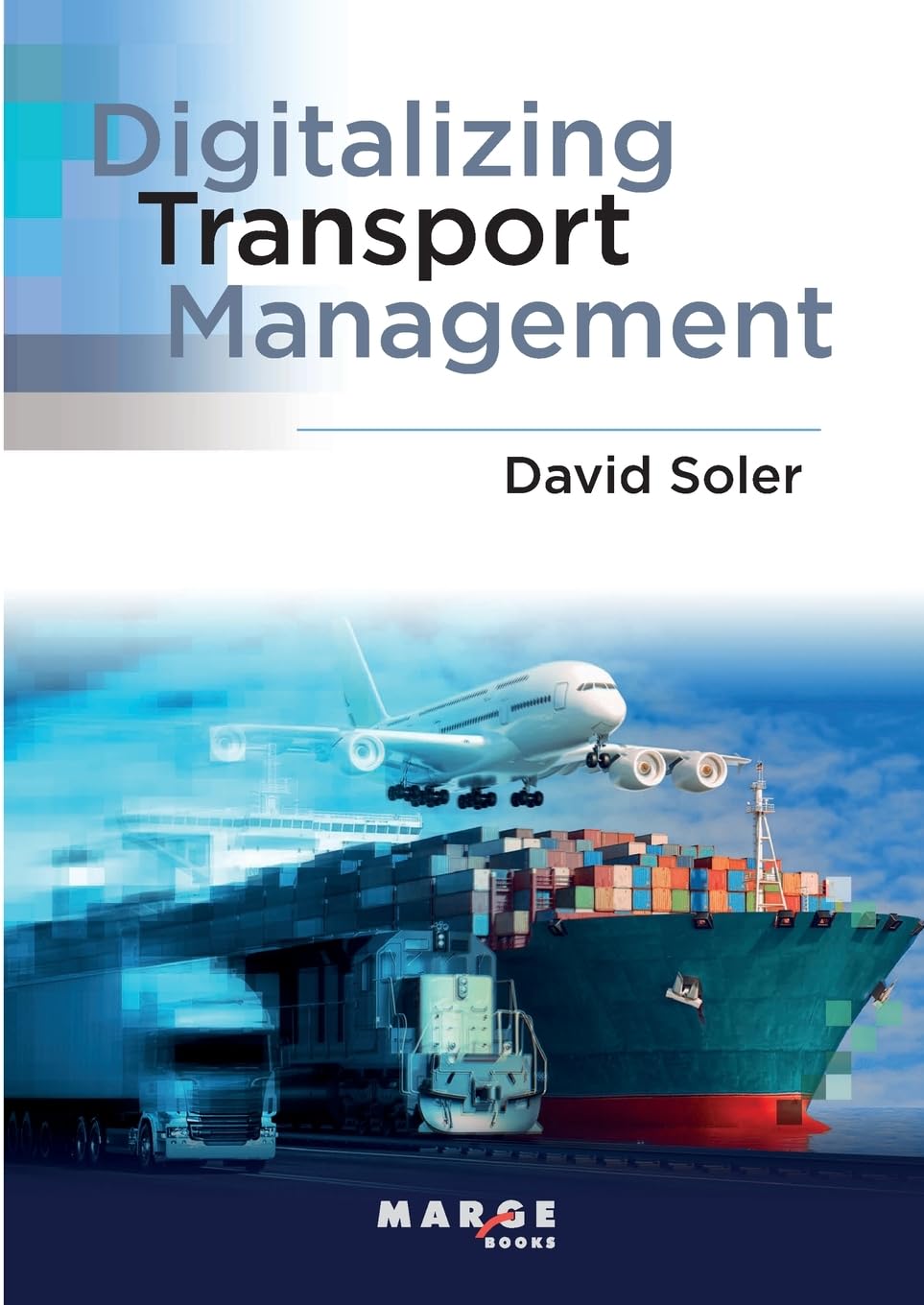
The digitalization of transport management is not an option; it’s a fact. It is a factor embedded in strategic approaches and processes within companies. But how can it be made agile and successful? Where should one start? And how can it be sustained over time? This book reveals the keys to digital transformation through three vital areas for companies where logistics is an essential part of their activity: operations management, freight rate management, and transport chain visibility. It presents tools with valuable functions to manage transport orders, plan routes, track shipments, or forecast demand —elements that provide agility, security, and sustainability in operational execution. Advanced systems for logistics are showcased, based on the integration of data management, process automation, artificial intelligence, machine learning, and the use of IoT devices. This book takes us closer to a more differentiated future, where digital solutions enable predictive analyses to identify trends, patterns, and improvement opportunities, contributing to optimizing the effectiveness and efficiency of supply chain management. Logistics and transport professionals, and supply chain agents. Operations managers. Executive teams seeking to stay up to date on AI and its application in organizations. Digital solutions provide predictive analytics to identify trends and improvement opportunities in the supply chain. The digitalization of transport management is not an option; it’s a fact. It is a factor embedded in strategic approaches and processes within companies. But how can it be made agile and successful? Where should one start? And how can it be sustained over time? This book reveals the keys to digital transformation through three vital areas for companies where logistics is an essential part of their activity: operations management, freight rate management, and transport chain visibility. It presents tools with valuable functions to manage transport orders, plan routes, track shipments, or forecast demand ―elements that provide agility, security, and sustainability in operational execution. Advanced systems for logistics are showcased, based on the integration of data management, process automation, artificial intelligence, machine learning, and the use of IoT devices. This book takes us closer to a more differentiated future, where digital solutions enable predictive analyses to identify trends, patterns, and improvement opportunities, contributing to optimizing the effectiveness and efficiency of supply chain management. David Soler es licenciado en Bellas Artes y ha desarrollado su actividad profesional en los ámbitos de la edición, la comunicación corporativa, el marketing sectorial y la docencia. Con más de cuarenta y cinco años de experiencia en el sector editorial, es fundador y director editorial de los sellos editoriales Marge Books, especializado en ediciones técnicas y de gestión de organizaciones, y Montaber, focalizado en las ciencias sociales y el pensamiento crítico. En la actualidad dirige diversas colecciones técnicas y divulgativas, e impulsa la creación de obras de literatura técnica relacionadas con la cadena de suministro a través del Premio Logisnet de Literatura Técnica y del Premio Logisnet Academy, dirigido este último a trabajos desarrollados en un marco académico.