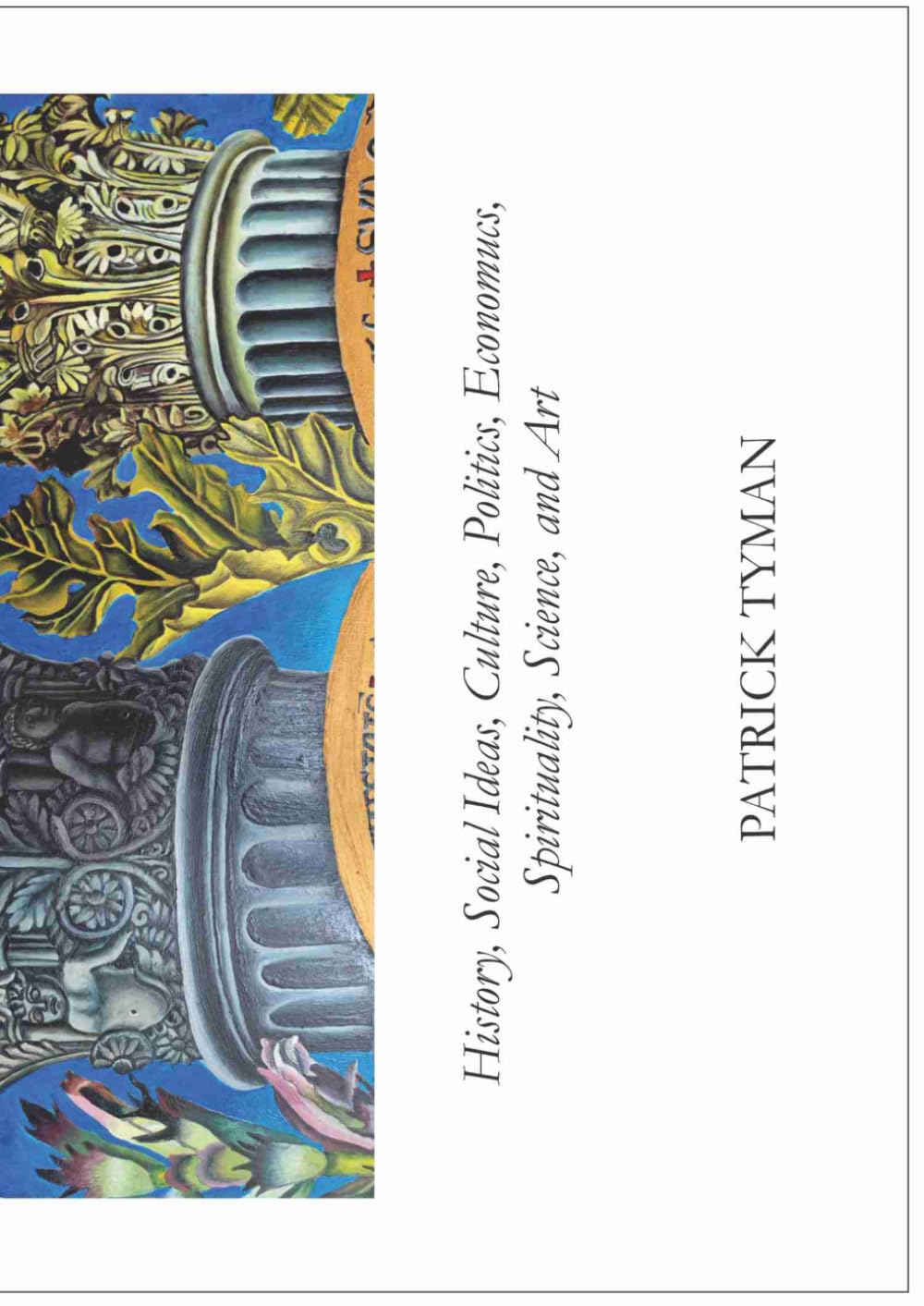
BOOK TWO: Early Mediterranean Civilisation (3000 – 300 BC) Analyse the contexts and art of the civilisations from the Mediterranean Basin: Malta (5700 – 800 BC), Minoa (2000 – 1400 BC), Mycenae (2000 – 1400 BC), the Phoenicians and Greece (800 BC – 300 AD). Investigate the Persian Invasions (490 – 479 BC), Athenian Democracy and Empire, the Peloponnese War (432 – 404 BC), the Hellenistic Era (300 – 30 BC), Alexander the Great, and Greek Philosophy. As a teacher of Art History and writer passionate about revealing stories behind artworks, I realized that a comprehensive book analyzing art’s context does not exist. However, some books are closer to this idea (see my market analysis below). Therefore, to make things easier for teachers, students, beginners, and intermediate to experienced art enthusiasts seeking insights into the context of iconic artworks, I wrote the History and Art: Inspiring the Present by Depicting the Past series. The Main Ideas By reading this series, people can examine how ideas influenced civilization’s development and nurture an appreciation that learning about the past leads to a clearer understanding of the present. Religious, scientific, political, intellectual, and economic innovations have changed people’s perceptions of reality since civilization began, and measuring this change provides the primary emphasis of this series. It adds new, exciting layers of information to existing literature on historical events, social ideas, and technological breakthroughs that changed the world, and connects them to significant artistic movements. Why it Matters and What Will the Readers Know After Reading this Series? The findings in this series of books matter because readers can enjoy reading to gain a firm foundation of knowledge in history and art. After reading these books, people curious about the past can understand why civilization evolved into its present form and where it is going. Readers will learn that every civilization has left a footprint in its art, from the first chipped stone to the nuclear age. Therefore, analyzing the relationship between history and art enables readers to learn how art mirrors society’s ideas, leading to an understanding of why artists create artworks. If people want to know about a culture, they must look at its art. This pattern of history and culture, art and society, unravelled in this series, is the ideal gauge to read civilization’s aspirations. This series aims to foster opinions, ideas, and a sense of curiosity about contemporary and past times. However, the raison d’etre is that in today’s world of shifting standards, unexpected consequences, and uncertainty, it encourages readers to look back to the past to help shape the future. Contents The nine books, each of about 75,000 words (200 printed pages for each book), should be the definitive work for years to come. Book One covers The Age of Antiquity - Egypt and the Ancient Near East . Book Two investigates Early Mediterranean Civilization , Book Three Rome , Book Four The Middle Ages , Book Five The Renaissance , Book Six The Northern Renaissance , Book Seven The Age of Exploration , Book Eight The Industrial Era , and Book Nine Modern Times .