

Amazon
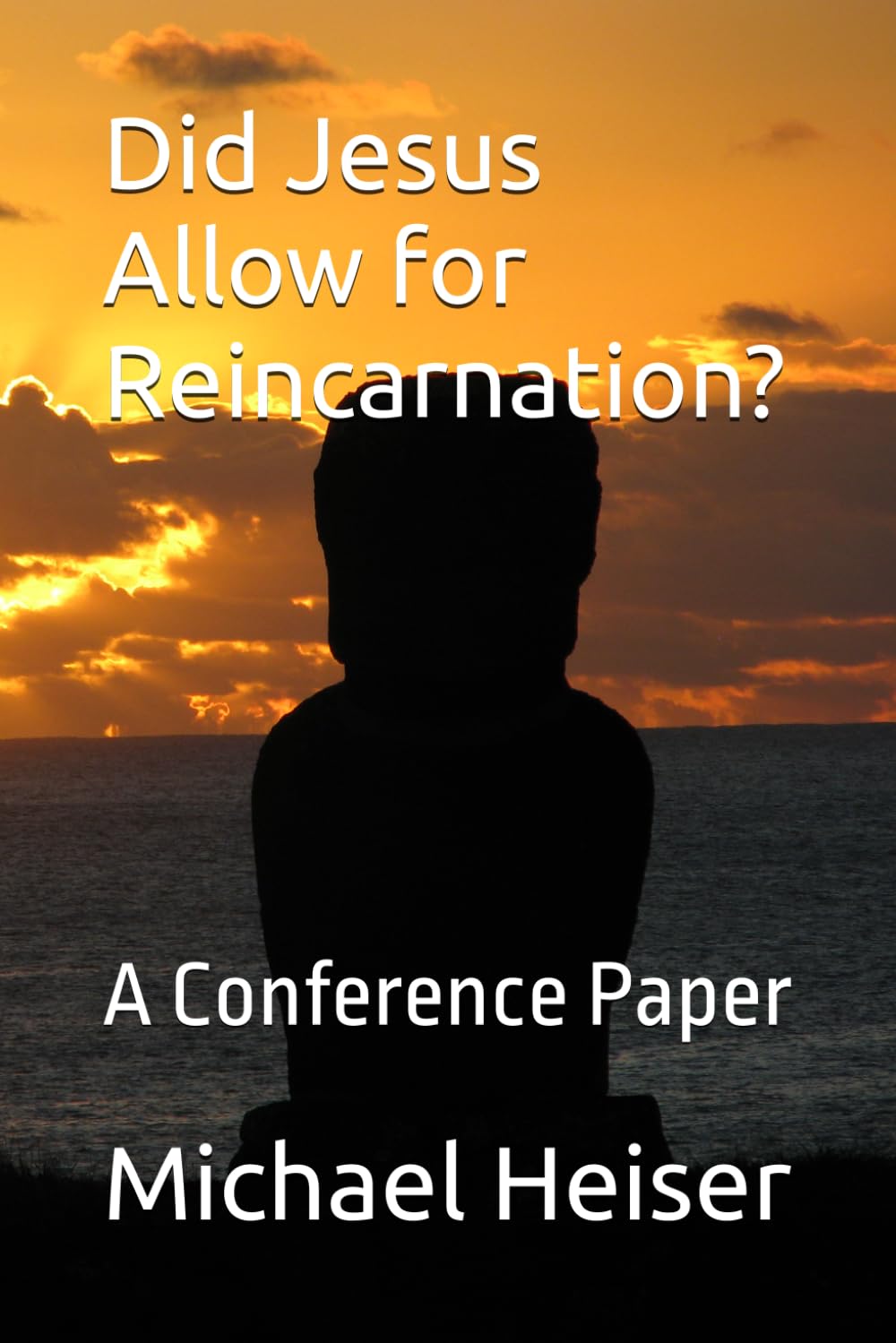
Did Jesus Allow for Reincarnation?: A Conference Paper
$9.99
$0.01 Cashback
Add to Cart on Amazon
Students get a 6-Month Amazon Prime trial with free 2-day shipping, unlimited streaming of Prime video & more. If you're not a student, there's a free 1-Month Amazon Prime trial.
Enjoy fast and FREE delivery with Amazon Prime and other benefits. No commitments. You can cancel any time.
| Gtin | 09798258222428 |
| Age_group | ADULT |
| Condition | NEW |
| Gender | UNISEX |
| Product_category | Gl_book |
| Google_product_category | Media > Books |
| Product_type | Books > Subjects > Religion & Spirituality |


