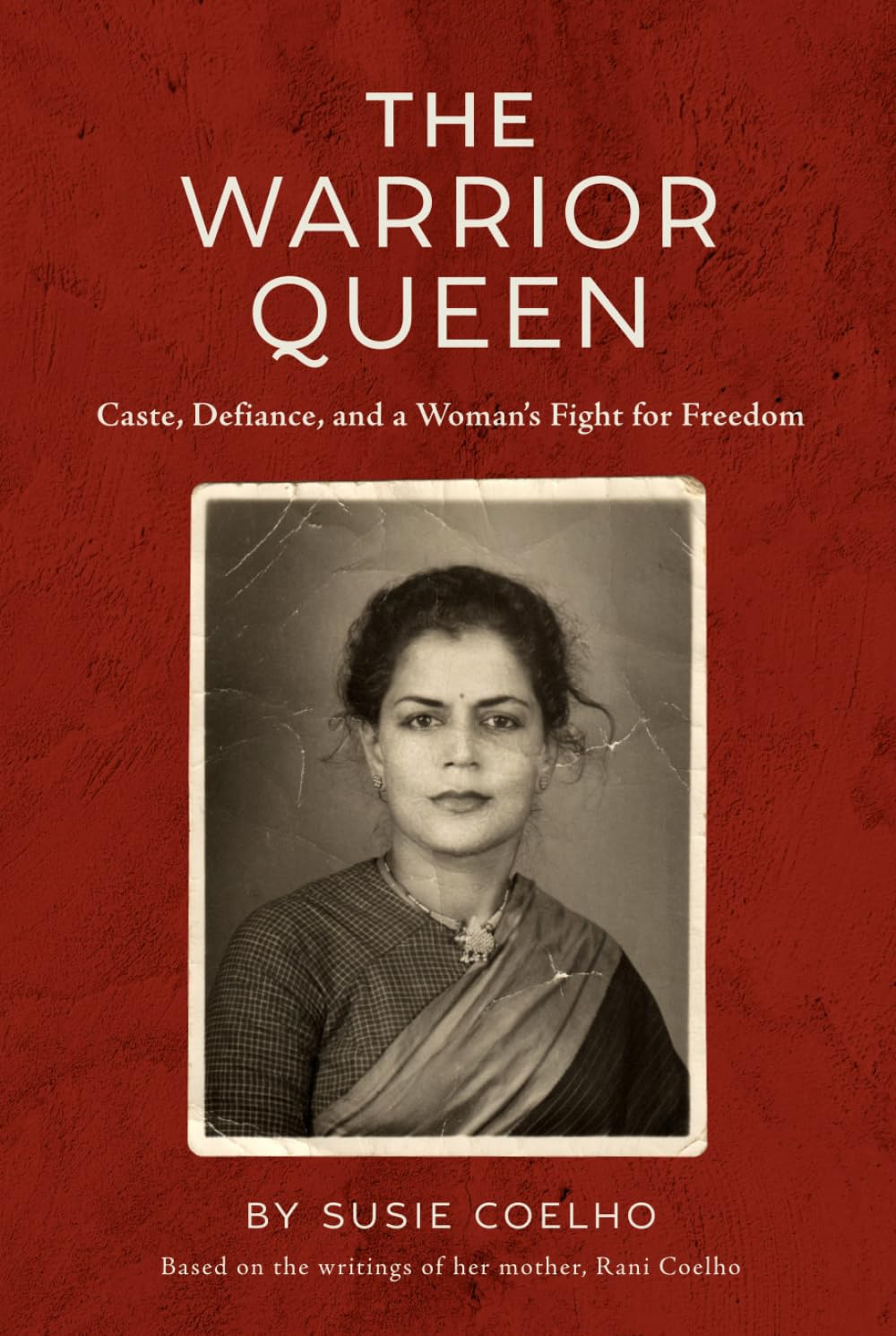
As a mother’s memory quietly erases itself, her children are forced to make a decision that feels both necessary and unforgivable. Moving Rani into assisted living becomes an act of care shadowed by guilt, a moment when love and loss collide and the roles of parent and child begin to reverse. As they pack up her belongings, uneasy at touching what still feels like hers, they know she will never live on her own again. Throughout their childhood, Rani spoke of her life in fragments—often in anger, always as if she were fighting something unseen. She let out pieces of her story here and there, but never the whole. While packing, they open a box tucked away, meant for no one’s eyes. Hidden inside is her long-rumored journal, written in Rani’s own hand. In its pages emerges a life defined by contradiction. Growing up in Madras, India, in a Brahmin (high-caste) family, Rani was shaped by tradition even as she resisted it—proud of her heritage yet unwilling to be bound by its strictures. Through her education in Catholic schools under British rule, she first glimpsed the freedom the West might offer and began to imagine a life beyond what had been ordained for her. As Rani’s memory recedes, her daughter, who lives close by, begins reading the journal aloud during her visits—not to restore what has been lost, but in the hope of stirring recognition, comfort, or a fleeting sense of connection. The Warrior Queen is a lyrical exploration of rebellion and strength, of defiance shaped by love and necessity, and of an early feminist spirit claimed quietly and at great cost. It is the story of a woman finally understood—and of the compassion that arrives too late.