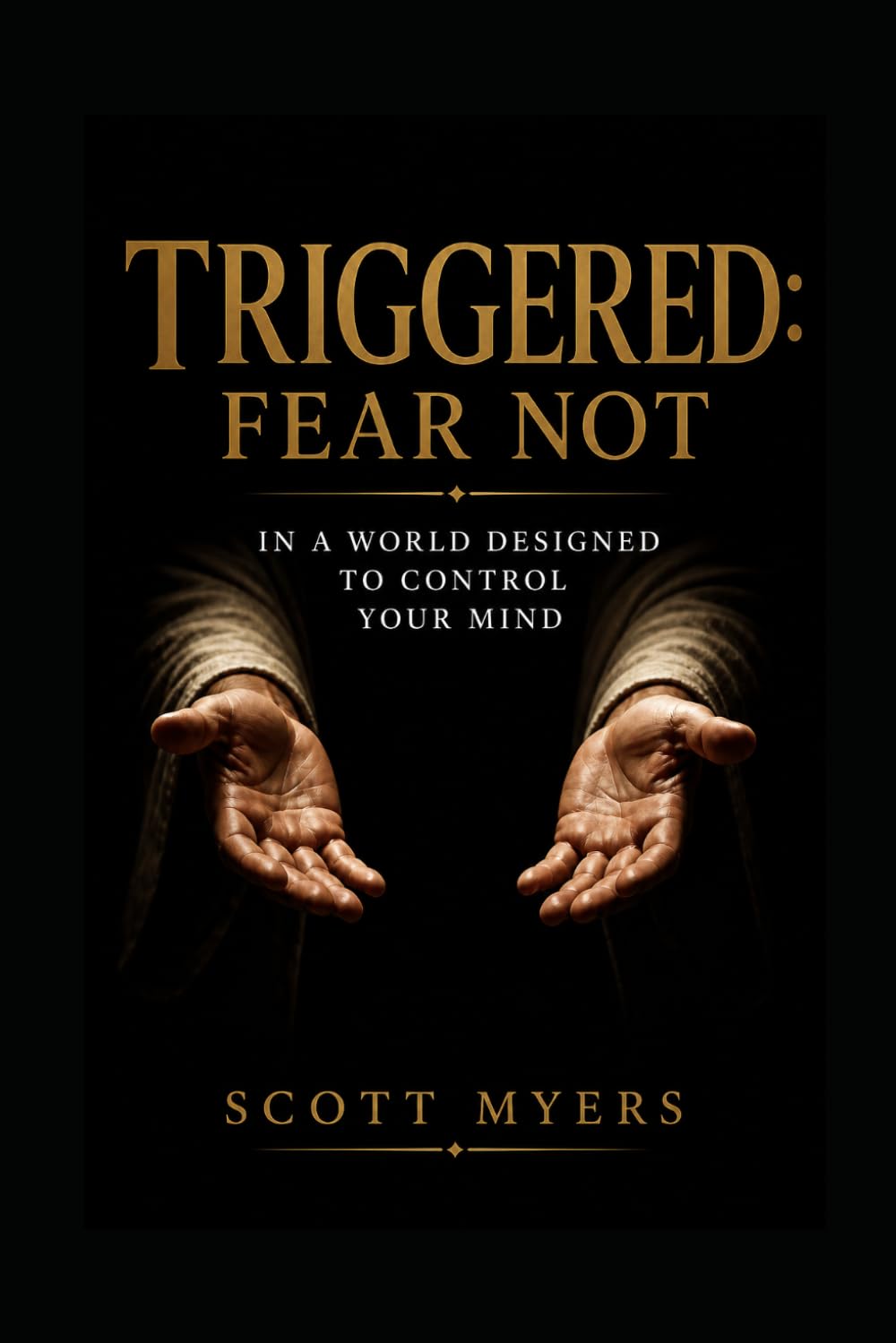
Fear isn't just something you feel. It's something being sold to you. In 2020, one of the most chaotic years in modern memory played out in real time — and this book was born from a front-row seat to exactly how that chaos was built. Author Scott Myers holds degrees in Broadcast Journalism and Marketing, Psychology, and a Master's in Education, and spent years working directly with students as an academic advisor and coach. That combination of training — reading media structurally, understanding how the mind responds to threat, and walking alongside young people through real crises — became the lens for this book. While running a politically neutral blog during the pandemic and a contentious election season, reading coverage from every side at once, a pattern emerged that had nothing to do with which side was right. It was the discovery that fear had become a product — manufactured, marketed, and monetized at a scale never seen before. This isn't a book about politics. It's a book about the machinery behind the politics: the algorithms that profit from panic, the psychology that makes fear-based messages nearly impossible to resist, the conspiracy theories engineered to feel unfalsifiable, and the uncomfortable truth that fear can walk straight into church and sound exactly like devotion. Chapter by chapter, this book pulls back the curtain on how fear gets triggered, sold, and reinforced — in the news, in daily scrolling habits, in relationships, and in spiritual life — and points to the one message Scripture repeats more than almost any other: fear not . Each chapter closes with three days of Scripture-based devotions and prayer, turning insight into practice. A bonus chapter takes on conspiracy theories and the "prophets for profit" who build a following on secret knowledge and constant alarm. Grounded in research across psychology, media studies, and theology — and written with the honesty of someone who has lived both sides of the story — this book is for anyone who has felt their anxiety spike with the news cycle, wondered if their faith had quietly become more about performance than peace, or simply wanted to know: who is actually shaping how I see the world? Because the real question was never what you're afraid of. It's who you're going to trust.